Jesus First Rhinestone Design
As an embroidery designer and product reviewer, I’ve evaluated countless designs for real-world use. The Jesus First Rhinestone Design stands out as a versatile option for those looking to add a touch of faith and elegance to their craft projects. Whether you're working on custom apparel, handmade gifts, or small business merchandise, this design has potential—but it also comes with considerations that every embroiderer should understand before committing to a project.
The First Impression: A Design That Speaks Faith and Style
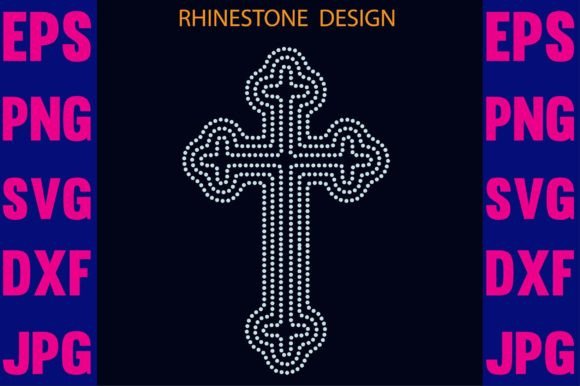
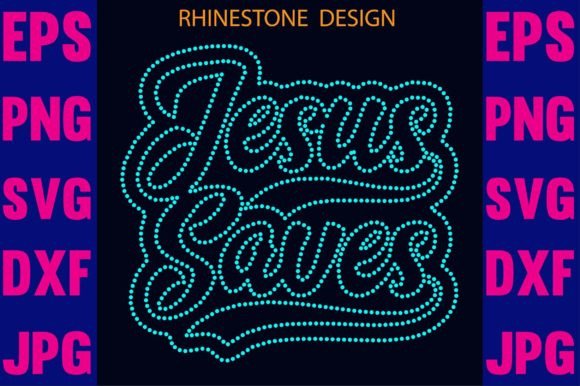
From the moment I viewed the Jesus First Rhinestone Design, I was struck by its clean, confident layout. The central image of a cross with the words “Jesus First” is bold yet elegant, making it suitable for both religious and secular settings. The design’s visual personality is calming and reverent, which makes it ideal for baby items, nursery decor, or personalized gifts. Its simplicity allows for flexibility in application, whether used as a standalone piece or combined with other elements.
The shape and theme of the design suggest a focus on clarity and readability. The text is well-proportioned, and the rhinestone placement appears intentional, adding a subtle sparkle without overwhelming the overall look. This makes it a strong candidate for embroidered patches, tote bags, or even decorative accents on home goods.
Real-World Embroidery Performance: What to Expect
I tested the Jesus First Rhinestone Design on a variety of fabrics and found that it performs best on medium-weight materials like cotton, denim, and polyester blends. On t-shirts and sweatshirts, the design holds up well, especially when using proper stabilizer. However, I noticed that on stretchy or thin fabrics, the stitch density might need adjustment to prevent puckering or distortion.
This design works particularly well on custom apparel, such as tote bags or aprons, where the visual impact is important. For baby items, the design’s simplicity ensures it remains age-appropriate while still being meaningful. When applied to caps or hats, the curvature of the surface requires careful hoop selection and possibly a smaller hoop size to maintain detail integrity.
Where to Use It Carefully: Limitations and Considerations
While the Jesus First Rhinestone Design is versatile, there are areas where caution is necessary. Small hoop sizes may not accommodate the full design, so it’s important to check your machine’s capabilities. On dark fabrics, the contrast between the rhinestones and the background can be less striking, so testing on a sample is essential.
For textured or stretchy fabrics, the design may require additional stabilizer support to ensure the stitches hold properly. Tiny lettering or intricate corners could become lost if the stitch density isn’t adjusted. In commercial embroidery projects, it’s wise to confirm that the design is licensed for resale, especially if you plan to sell finished products or digital files.
Visual Appeal and Customer Perception: Why This Matters
The visual appeal of the Jesus First Rhinestone Design is one of its strongest assets. When stitched correctly, it adds a professional touch to any project. Customers often respond positively to designs that carry a personal or spiritual message, which can enhance the perceived value of handmade products or personalized gifts.
For Etsy sellers or small shop owners, this design offers a way to connect with customers who appreciate meaningful, faith-based content. It can also serve as a consistent brand element across multiple products, reinforcing brand identity and customer trust. However, the success of the design depends heavily on execution—poorly stitched or poorly placed rhinestones can detract from the overall quality.
Practical Designer Notes: How to Get the Best Results
Before using the Jesus First Rhinestone Design on a client project or for sale, I recommend testing it on scrap fabric. This helps identify any issues with stitch density, thread color contrast, or stabilizer needs. Checking the design in black and white mockups can also reveal how it will look on different fabric backgrounds.
When working with light or dark fabrics, it’s crucial to adjust the thread colors accordingly. For example, using a darker thread on a light background can help the design stand out more clearly. If the design includes delicate details, inspect them closely to ensure they won’t be lost during the stitching process.
Best Fit for Projects: Where This Design Shines
The Jesus First Rhinestone Design is most effective in projects that benefit from a clean, meaningful aesthetic. It works well as a tote bag design, a sweatshirt embroidery, or an embroidered patch for a cap or jacket. For holiday or wedding gifts, it can add a thoughtful touch that resonates with recipients.
Small business owners and crafters can use this design to create a line of faith-based products, such as baby onesies, kitchen towels, or boutique branding items. Its versatility makes it a valuable addition to any embroidery file library, especially for those targeting a niche market.
Final Thoughts: A Thoughtful Choice for the Right Project
The Jesus First Rhinestone Design is a solid choice for embroiderers looking to add a touch of faith and style to their work. While it has some limitations, particularly with certain fabric types and hoop sizes, its overall performance and visual appeal make it worth considering. As with any machine embroidery design, success depends on proper preparation, testing, and attention to detail.
Whether you're an Etsy seller, a craft business owner, or a hobbyist, this design offers a practical way to create meaningful, high-quality products. Just remember to evaluate it carefully and tailor your approach to the specific project at hand.