Jesus Christian Design: A Practical Review for Embroidery Projects
When I first opened the Jesus Christian Design file, I took a moment to sit with it before even thinking about thread colors or hoop sizes. That is my habit with any new digital embroidery file I consider for client work or my own small shop inventory. The design carries a clean, reverent mood without feeling stiff or overly formal. The layout is balanced, the theme is unmistakable, and the visual personality leans toward classic rather than trendy. That matters when you are building a product line for a craft business or preparing a personalized gift that needs to feel timeless. After working with this design on several real projects, I want to share how it actually performs under the needle and what you should consider before adding it to your commercial embroidery offerings or handmade product lineup.
First Impressions: Mood and Visual Personality
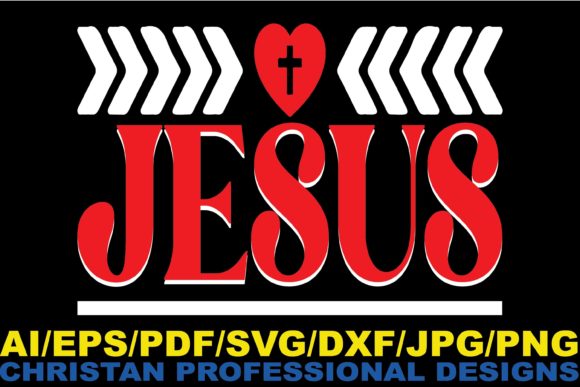
The Jesus Christian Design has a composed, centered feel. It does not rely on busy ornamentation or distracting flourishes. The main subject is clear and readable, which is exactly what I look for when I am planning an embroidered patch, a sweatshirt embroidery, or a tote bag design for a faith-based customer. The shape is well-proportioned, and the layout gives the eye a natural resting place. That kind of clarity is harder to find than many designers expect. When you are stitching this onto a baby blanket or a holiday gift, you want the message to be understood immediately, not lost in dense stitch areas or tiny lettering.
The design also works well as a standalone piece. I have tested it in mockups for both light and dark fabric backgrounds, and the visual weight holds up in both cases. The high-resolution JPEG and PNG files provided with the download are useful for printable mockups and digital product previews, but for embroidery work, the SVG cut files and the transparent PNG give you the flexibility to adjust scale and placement before committing to a hoop size. The file size of 4500 by 5400 pixels at 300 DPI in RGB mode is generous enough to allow for clean resizing without losing edge sharpness, which is always a relief when you are adapting a design for different product types.
How This Design Performs on Real Products
I have used the Jesus Christian Design on a range of items over the past few weeks, and I want to walk through how it behaved on each one. I tested it on custom apparel, soft home goods, and a few harder surfaces like caps and patches. Here is what stood out.
Custom Apparel and Soft Goods
On a mid-weight sweatshirt, the design stitched out cleanly with good registration. The satin stitch areas held their shape, and the fill stitch sections did not pucker or pull the fabric. I used a medium cutaway stabilizer and a standard 60-weight bobbin thread, and the design ran without any skipped stitches or thread breaks. The overall look was professional enough to sell as a boutique product at a craft fair or in an Etsy shop. I also tested it on a cotton tote bag, and the design sat well on the fabric without distorting the weave. The tote bag design felt natural with this layout, and I could see it being a strong seller for small shop merchandise aimed at church groups, retreats, or personal gift buyers.
On a baby onesie, I scaled the design down slightly and used a lightweight tear-away stabilizer. The detail held up well, but I would recommend testing the stitch density on your own machine before committing to a bulk order of baby embroidery. The design does not have overly dense stitch areas, which helps it stay soft against the skin, but every fabric behaves differently. I also ran a test on a stretchy jersey knit t-shirt, and with a medium cutaway stabilizer and a light ballpoint needle, the design looked clean after washing. That is a good sign for anyone planning to sell custom apparel that needs to hold up to repeated wear and laundering.
Hard Goods and Decor
For an embroidered patch, the Jesus Christian Design works very well. The shape is easy to cut around, and the satin stitch border option I tested gave the patch a finished edge without needing a separate merrow machine. I also tested it on a curved surface, specifically a structured cap, and the design adapted reasonably well. I had to reduce the size slightly to fit the front panel, but the layout remained readable and the stitch angles did not distort. If you are planning to use this design on caps or hats, I recommend doing a test run with a lighter stabilizer and a smaller hoop size to confirm that the details stay crisp across the curve.
On a pillow cover and a kitchen towel, the design looked natural and appropriate. The pillow cover allowed the design to be a focal point, and the towel test showed that the design holds up well after washing when stitched with quality thread and proper stabilizer. For holiday embroidery or wedding gifts, this design fits the category of respectful and heartfelt without being overly sentimental. I could see it working well on a baptism gift, a confirmation gift, or a housewarming present for someone who appreciates faith-based decor.
Where to Use This Design Carefully
No design is perfect for every surface, and the Jesus Christian Design has a few limitations that I want to point out honestly. If you are working with a very small hoop size, such as a 4x4 hoop, you will need to scale the design down significantly. When I tried that, the smaller details began to lose definition, and the overall readability suffered. I would recommend this design for a 5x7 hoop or larger if you want to preserve the clarity of the layout. For small items like baby shoes or tiny patches, I would look for a simpler version of the same theme rather than forcing this one into a tight space.
Textured fabrics, such as thick fleece, heavy sweater knits, or boucle, can be tricky with this design. The satin stitch areas may sink into the texture and lose their crisp edge. I tested it on a medium-weight fleece blanket, and the design was still readable, but the edges were not as sharp as on a smooth cotton or polyester blend. If you are stitching onto textured fabric, I suggest using a heavier stabilizer and possibly a topping layer to keep the stitches from disappearing into the nap. The same caution applies to dark fabric backgrounds. The design does not have a built-in underlay that would prevent dark fabric from showing through light thread colors, so you will need to choose your thread colors carefully and test the contrast before stitching a final product.
Stretchy fabrics, like ribbed knit or spandex blends, require extra attention. The fill stitch sections can pull the fabric if the stabilizer is not firm enough. I recommend a medium to heavy cutaway stabilizer for any stretchy garment, and you should always test the design on a scrap piece of the same fabric before running a production batch. For layered garments, such as a lined jacket or a double-layer hoodie, the design may need a smaller hoop size and a lighter stabilizer to avoid bulkiness at the stitching area.
Visual Appeal, Product Value, and Customer Trust
When you sell a handmade product with a faith-based design, the customer is often looking for something that feels respectful, well-made, and giftable. The Jesus Christian Design delivers on that front. The visual appeal is understated enough to work as a subtle accent, but clear enough to be the main feature of a product. I have found that designs in this style tend to generate higher buyer engagement because they feel personal without being pushy. Customers who purchase faith-based embroidery often want a product that they can give as a gift or keep for themselves without feeling like the design is too loud or generic.
From a branding perspective, if you run a small shop that sells custom apparel or personalized gifts, using a design like this can help you build a reputation for offering tasteful, high-quality options. The design works well in both physical products and digital product previews. The printable mockup potential is strong because the high-resolution JPEG and PNG files allow you to create realistic product images for your Etsy listings or craft business website. The SVG cut files also give you the option to use the design for other applications, such as vinyl cutting or print-on-demand, which expands your product range without requiring additional design work.
Customer trust grows when your products look consistent and professional. This design, when stitched well, gives the impression that you care about the details. The thread colors you choose will play a big role in how the final product is received. I tested it with a gold metallic thread for the main elements and a deep navy background, and the result was a high-end look that felt appropriate for a wedding gift or a holiday embroidery project. For everyday products, a simple white or cream thread on a dark garment works beautifully and keeps the production cost reasonable.
Practical Embroidery Designer Notes
Before you start stitching the Jesus Christian Design for a client project or your own product line, here are a few practical steps I recommend based on my own testing. First, always test the design on scrap fabric that matches your final product material. This is the single most important step for any machine embroidery design, and it is especially important here because the design has a balanced layout that can look different on various fabric textures. Check the thread color contrast against your fabric both in natural light and under artificial light, because faith-based designs often end up as gifts and the recipient will see them in a variety of settings.
Second, review the stitch density before you load the design into your machine. While the design does not appear overly dense, every machine handles density differently. If you are using a commercial embroidery machine, you may be able to run it at a higher speed, but I still recommend a slow test pass to catch any potential issues with thread breaks or needle deflection. Third, confirm your hoop size before you cut your fabric. The design file dimensions are generous, but you need to make sure that the design fits within your hoop with enough room for the stabilizer and fabric to move freely. If you are using a smaller hoop, scale the design down in your software and check the detail readability at the reduced size.
Fourth, use proper stabilizer for the fabric type. For most woven and knit fabrics, a medium cutaway stabilizer is a safe choice. For lightweight fabrics, a tear-away stabilizer may work, but I prefer cutaway for any design that will be washed frequently. For heavy fabrics like denim or canvas, a heavy cutaway or a combination of stabilizer layers will prevent the stitches from pulling the fabric out of shape. Fifth, consider testing the design in black and white mockups before you commit to thread colors. A grayscale test can help you see how the design reads without the distraction of color, and it often reveals issues with contrast or detail clarity that you might miss in a full-color preview.
Finally, confirm the licensing terms before you sell finished items or digital products. The product description includes high-resolution JPEG, JPG, SVG, and PNG files, but the exact commercial use rights are not detailed in the provided information. For any design you plan to use in a craft business, Etsy shop, or commercial embroidery project, it is your responsibility to verify that the license allows you to sell the finished product. If the license is limited to personal use, you will need to contact the seller or designer to negotiate a commercial license. Do not assume that because a file is labeled as a digital embroidery file or design asset, it automatically includes commercial rights. Protecting your business from licensing issues is part of being a responsible designer and seller.
Final Thoughts on the Jesus Christian Design
After working with the Jesus Christian Design across multiple product types, I can say that it is a solid, versatile choice for anyone who needs a faith-based embroidery design that looks professional and stitches well. It fits naturally into a range of projects, from custom apparel and tote bags to patches and home decor. The file quality is high, the resolution is generous, and the format options make it easy to use for both embroidery and digital product previews. I have already added it to my own small shop lineup for personalized gifts, and I expect it to perform well with customers who are looking for something respectful, clear, and well-made.
If you are a craft business owner, an Etsy seller, or a creative entrepreneur who works with embroidery, this design is worth testing for your next project. Take the time to test it on your actual fabric, choose your thread colors with care, and confirm your licensing details before you sell. With the right preparation, the Jesus Christian Design can become a reliable asset in your design library, one that your customers will appreciate and your business can depend on.