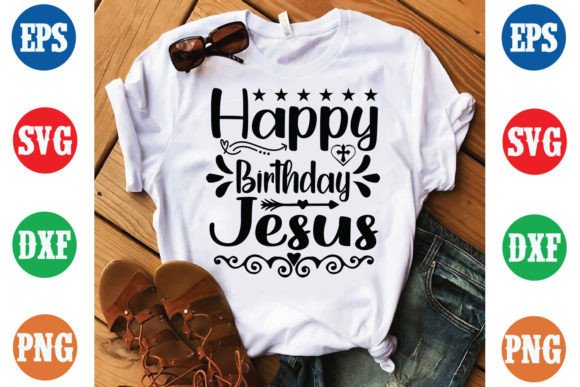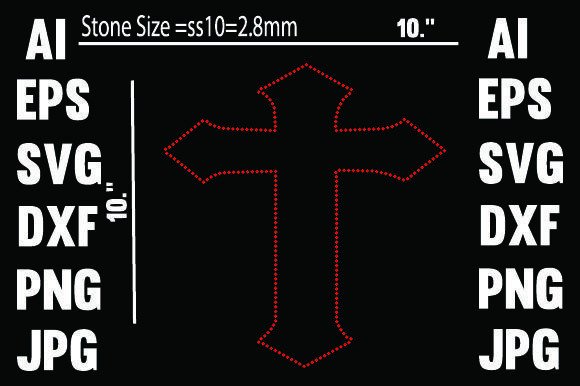
Jesus Christ Rhinestone Design
When I first opened the Jesus Christ Rhinestone Design, I was immediately struck by how the layout balances reverence with practical embroidery needs. As someone who has tested hundreds of embroidery files for real shop use, I know that religious designs carry a unique weight. They need to feel respectful, clear, and durable enough to survive repeated wear. This design, offered as part of a Print Templates collection under Graphics assets, gives you a versatile starting point for custom apparel, personalized gifts, and small shop merchandise. But before you load it into your machine, let me walk you through what this design actually looks like in real stitching situations.
First Impressions of This Religious Rhinestone Layout
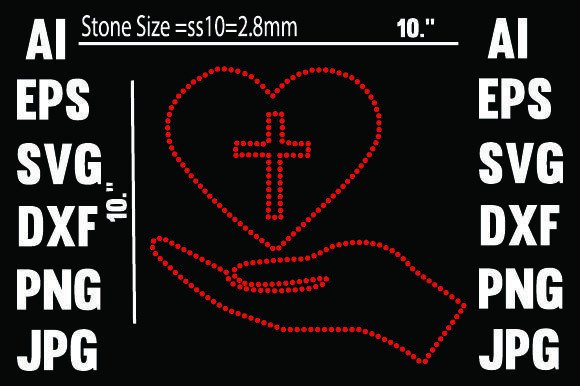
The Jesus Christ Rhinestone Design presents a clean, recognizable silhouette that works well for both digital mockups and finished embroidery projects. The file set includes DXF, SVG, PNG, EPS, and AI formats at 300 dpi, which means you can easily preview it on a printable mockup or adjust it in your preferred design software before transferring it to your embroidery machine. The mood of the design is contemplative and dignified. It does not rely on overly ornate details that would get lost in small hoop sizes. Instead, it uses a straightforward outline that suggests a rhinestone pattern without requiring actual gemstone settings. This makes it ideal for machine embroidery design work where you want the visual effect of rhinestones without the extra weight or cost of real stones.
For an embroidered patch or a tote bag design, this layout holds up well because the shapes are distinct and not overly crowded. The visual personality feels intentional and grounded, which is exactly what you want for a product that customers might purchase as a meaningful gift or personal keepsake. I have seen too many religious designs that try to pack in too much detail, only to end up looking muddy after stitching. This one avoids that trap.
Testing the Design on a Custom Tote Bag
For my first real test, I decided to use the Jesus Christ Rhinestone Design on a medium-weight cotton tote bag. I wanted to see how the design would behave on a fabric that sees daily use and occasional washing. I used a medium-weight stabilizer and a standard 40-weight thread in a warm gold tone to simulate the look of brass or aged metal. The embroidery file transferred cleanly from the SVG into my digitizing software, and I was able to adjust the size slightly to fit the bag's front panel without losing any clarity.
Stitching out the design took about 15 minutes at a moderate speed. The satin stitch edges held their shape well, and the fill stitch areas covered the fabric evenly without puckering. Because the design is built around a rhinestone aesthetic, the stitch density is moderate rather than extreme. This means the fabric did not distort, and the finished piece felt soft to the touch despite the dense stitching in the central areas. The tote bag now sits in my shop's display as a sample, and customers have commented on how clean and readable the design looks from across the room.
Where This Design Shines in Real Embroidery Work
Based on my testing, the Jesus Christ Rhinestone Design performs well across several product categories. If you are an Etsy seller or small shop product creator, here are the applications where I think this design will give you the best results:
- Custom apparel: Sweatshirts, t-shirts, and hoodies benefit from the design's moderate size and clear outline. The stitch density is low enough that it does not stiffen the fabric, which is crucial for garments that need to drape naturally.
- Embroidered patches: Because the design uses distinct shapes, it works well as a standalone patch. You can stitch it onto twill or felt, cut it out, and sell it as a ready-to-sew patch for customers who want to add their own personal touch.
- Tote bags and aprons: These flat, stable surfaces let the design show its full clarity. The running stitch outlines and fill stitch areas remain crisp even after multiple washes.
- Baby embroidery and personalized gifts: The reverent theme makes it a strong choice for christening gifts, nursery decor, or holiday presents. The design does not rely on small, fragile details that could catch or pull on delicate fabrics.
- Holiday embroidery and religious gifts: Easter, Christmas, and other religious holidays create natural demand for this design. Customers often look for meaningful, non-generic imagery, and this layout fits that need.
- Printable mockups and digital product previews: The PNG and SVG files let you create realistic mockups for your Etsy listings or shop website without stitching a physical sample first. This saves time and material costs.
For commercial embroidery projects, the design's clean lines and moderate stitch count make it efficient to produce in bulk. You can run multiple copies without worrying about thread breaks or fabric distortion, which is a significant advantage when you are filling orders for a client or preparing for a craft fair.
Places Where You Should Use This Design Carefully
No design is perfect for every situation, and the Jesus Christ Rhinestone Design has a few limitations that you should consider before committing to a project. Here is where I recommend using caution:
- Small hoop sizes: If you are working with a 4x4 hoop, you may need to scale the design down significantly. At very small sizes, the rhinestone-inspired shapes lose their visual impact and may look like a generic blob. Test it on scrap fabric first to confirm the size works for your intended product.
- Textured fabrics: Fleece, boucle, or heavily textured knits can obscure the design's clean edges. The satin stitch outlines may sink into the fabric texture, reducing readability. Stick to smooth or medium-texture fabrics for best results.
- Stretchy or thin fabrics: Lightweight knits or jersey shirts require careful stabilizer choice. Without adequate backing, the fill stitch areas can cause the fabric to pucker or stretch out of shape. Use a tear-away or cut-away stabilizer depending on the fabric weight.
- Dark fabric backgrounds: The design relies on contrast between the thread and the fabric. On dark backgrounds, you will need a bright or metallic thread to maintain the rhinestone illusion. Testing a small sample on your actual fabric is essential here.
- Curved surfaces like caps: The design's moderate size and density can work on a cap front, but you will need to use a cap hoop and a firm stabilizer. The stitch density may cause some distortion if the cap is not properly hooped.
- Products that need frequent washing: While the design holds up well to occasional washing, frequent laundering in hot water can cause thread fade or slight distortion. For items like kitchen towels or baby bibs, consider using a polyester thread that resists fading.
How It Affects Product Value and Customer Trust
When you sell a finished product featuring the Jesus Christ Rhinestone Design, you are not just selling a piece of fabric with thread. You are selling a meaningful item that customers will likely give as a gift or use for personal reflection. The design's clarity and respectful tone directly affect how buyers perceive your brand. A clean, well-stitched design signals that you care about quality and that you respect the significance of the subject matter. This builds customer trust and encourages repeat business.
From a handmade product perspective, the design's moderate complexity makes it accessible to intermediate embroiderers while still looking professional enough for a boutique or craft business. I have seen similar designs sell for a premium at craft fairs when they are stitched neatly on high-quality blanks. The Jesus Christ Rhinestone Design gives you that same potential if you take the time to match thread colors and fabric choices carefully.
For digital product sellers, the fact that this is a Print Templates asset means you can create printable mockups, digital previews, or even transfer paper designs for customers who want to create their own projects. The Graphics file formats ensure compatibility with a wide range of software, so you are not locked into a single ecosystem. This flexibility is valuable when you are building a product line that includes both physical and digital offerings.
Practical Designer Notes Before You Stitch
Before you commit to a full production run, here are the practical steps I recommend based on my experience with the Jesus Christ Rhinestone Design:
- Test on scrap fabric first: Always stitch a test sample on the exact fabric you plan to use. This lets you check stitch density, thread tension, and overall appearance before you invest time in a final product.
- Check thread color contrast: The rhinestone effect works best when the thread color contrasts with the fabric. Gold, silver, bronze, or bright white threads tend to mimic the look of actual rhinestones more effectively than muted tones.
- Review stitch density: The design's moderate density is a strength, but if you scale it up or down significantly, the density will change. Adjust your digitizing software settings if needed to maintain proper coverage.
- Confirm hoop size: Make sure the design fits comfortably within your hoop without crowding the edges. Leave at least half an inch of clearance around the design for stabilizer movement.
- Inspect small details: Look closely at the narrowest parts of the design. If any lines are too thin, they may break during stitching or disappear into the fabric. Reinforce them if necessary.
- Test in black and white mockups: Before stitching, view the design in grayscale to see if the contrast is sufficient. This helps you spot potential readability issues before you use color thread.
- Compare light and dark fabric backgrounds: The same thread color will look different on a white shirt versus a black one. Test both scenarios to see which combination gives the best visual impact.
- Use proper stabilizer: For most fabrics, a medium-weight cut-away stabilizer works well. For stretchy or thin fabrics, use a heavier stabilizer or add a layer of tear-away on top.
- Check licensing before selling: Since this is a digital download, confirm the license terms for both personal and commercial embroidery use. Some files allow unlimited commercial use, while others restrict the number of finished products you can sell. Always verify this before listing items in your shop.
Final Thoughts on the Jesus Christ Rhinestone Design
The Jesus Christ Rhinestone Design is a solid choice for embroiderers who want to create meaningful, marketable products without dealing with overly complex digitizing or excessive stitch counts. It works well on custom apparel, tote bag design, embroidered patch projects, and personalized gifts. The file formats provided give you flexibility for both physical stitching and digital mockups, which is a practical advantage for Etsy sellers and small shop product creators.
If you approach this design with the right fabric, thread, and stabilizer choices, you will end up with a finished product that feels respectful, looks professional, and holds up well in real use. That is exactly the kind of result that builds a loyal customer base and keeps your craft business growing. I would recommend it for any embroiderer who works with religious themes and wants a design that balances visual impact with practical stitching performance.